




If you have ever wondered, What is the 20 minute rule in cleaning?, the simple explanation is that it is a practical guideline for responding quickly before a spill, mark, or residue has time to settle. In carpet care, that short window is important because many everyday stains become harder to deal with once they dry, bond to fibres, or move deeper into the pile. The basic idea is straightforward: if you can respond within about 20 minutes, you usually give yourself a much better chance of a clean result.
In daily life, the 20 minute rule is less a rigid rule and more a useful habit to fall back on. It serves as a reminder to blot, contain, and assess a spill early instead of leaving it for later. For carpets in New Zealand homes, where weather conditions, foot traffic, and indoor humidity can all vary, this kind of quick response can make a noticeable difference to both appearance and hygiene.
What is the 20 minute rule in cleaning, really?
What is the 20 minute rule in cleaning? It is a timing principle built around the idea that the earlier you deal with a mess, the easier it is to remove. It is often applied to spills on fabric, carpet, upholstery, and hard surfaces because drying time changes how a substance behaves. Once a liquid starts to settle, it can move into backing layers, attract soil, or leave behind a permanent ring.
For carpet care, the rule is especially relevant for foods, drinks, pet accidents, and oily residues. A fresh spill may still be sitting close to the surface, but after 20 minutes it may begin to wick downward or start bonding to fibres. That is why a prompt response often matters more than reaching for a stronger product later on.
It is also important to remember that not every stain follows exactly the same timeline. Coffee, red wine, dairy, and pet urine all behave differently, and some products can cause issues if they are not used correctly. This is why the 20 minute rule is best seen as a guide rather than a guarantee, and why testing any cleaner in an out-of-sight area remains a sensible precaution.
Why the 20 minute rule in cleaning matters for carpets
Carpets are absorbent, textured, and usually backed with layers that can hold on to moisture. That means a surface spill can turn into a deeper cleaning problem if it is left alone for too long. What is the 20 minute rule in cleaning? In carpet terms, it is a reminder that speed can reduce the likelihood of staining, odour, and fibre damage.
The rule also has a hygiene aspect. Fresh spills can create a damp patch that makes it easier for dirt to stick, and in some cases can contribute to persistent odours if they are not handled promptly. In homes with children or pets, dealing with spots early can also lower the chance of repeated contamination in the same place.
If you are looking for a broader overview of upkeep, carpet care tips can help show how reacting quickly to spills fits into wider routine maintenance. For more general service-related information, the site’s carpet cleaning page offers additional context on the difference between professional methods and DIY approaches.
How to use the 20 minute rule in cleaning step by step
Begin by removing the source of the spill if you can do so safely. Then blot gently with a clean, dry cloth or paper towel, working from the outer edge of the mark towards the centre so you limit spreading. What is the 20 minute rule in cleaning? It is not a suggestion to scrub as fast as possible, it is about acting promptly while still being careful.
Next, identify what has been spilled if that is possible. Water-based liquids, greasy foods, and biological stains usually need different approaches, and knowing the type helps you avoid making the situation worse. If you decide to use a cleaner, apply the smallest effective amount and avoid soaking the carpet, because too much moisture can lengthen drying time and encourage wicking.
For stains that have already begun to dry, a controlled method is generally better than repeated, forceful rubbing. A mild, suitable solution can be applied sparingly, then blotted and rinsed as required. For more stubborn contamination, especially when odour is involved, the carpet drying North Shore Auckland information explains why managing moisture after treatment is important.
What is the 20 minute rule in cleaning for best practice?
Best practice involves combining speed with restraint. The quickest response is not always the most intensive one, because some stains can spread when they are overworked. A clean towel, light pressure, and a suitable spot-treatment method often work better than harsh chemicals or heavy scrubbing.
It is also useful to work in good light so you can see whether the stain is lifting or simply moving. If the spill was larger, placing absorbent towels under nearby furniture legs or around the affected area can help prevent transfer and protect surrounding fibres. In humid conditions, ventilating the room can help the carpet dry more evenly and lessen the chances of a persistent damp area.
For authoritative cleaning guidance, the CRI cleaning standards and the CRI carpet care guide are helpful references on routine maintenance and stain treatment principles. These resources reinforce a core idea that sits comfortably alongside the 20 minute rule: prompt action usually leads to a better outcome.

What is the 20 minute rule in cleaning when stains are already set?
Once a stain has dried, the 20 minute rule is no longer about preventing it, it becomes more of a reminder to manage expectations. Some marks can still be improved, but the approach may need more time, more specialised products, or several careful passes. In practice, dried stains often call for a balance between using enough moisture to loosen the bond and not so much that the stain begins to spread.
This is where the limits of quick cleaning are easiest to see. A fresh coffee spill on a loop pile carpet is generally more manageable than a red wine stain on a light wool blend that has been in place for 24 hours. If you have already tried a basic spot clean and the mark is still visible, continued scrubbing can distort fibres, alter the texture, or leave a noticeable tide line.
For deeper or more awkward stains, it helps to understand how the carpet is constructed. The carpet buying tips article outlines how different fibre types and constructions influence stain behaviour, while carpet installation tips offers useful background on how carpets are laid and why some areas may hold moisture differently.
A real-world example of the 20 minute rule in cleaning
Consider a common household situation. A cup of tea spills onto the lounge carpet during breakfast, and the spill is noticed almost straight away. Using the 20 minute rule, the first response is to blot, remove as much liquid as possible, and keep the area clear of foot traffic while it dries.
In a similar situation, if the same spill is left until after school pickup, it may behave quite differently. Tea can move down into the pile, spread just under the surface, and leave a dull brown shadow even when the top fibres appear clean. What is the 20 minute rule in cleaning? In this case, it is the difference between a minor spot and a stain that needs more advanced treatment.
This difference is often easy to see in homes with pets or young children, where delays are common. The aim is not perfection, but early attention. Even a modest cleanup within that first window usually reduces the amount of residue that remains.
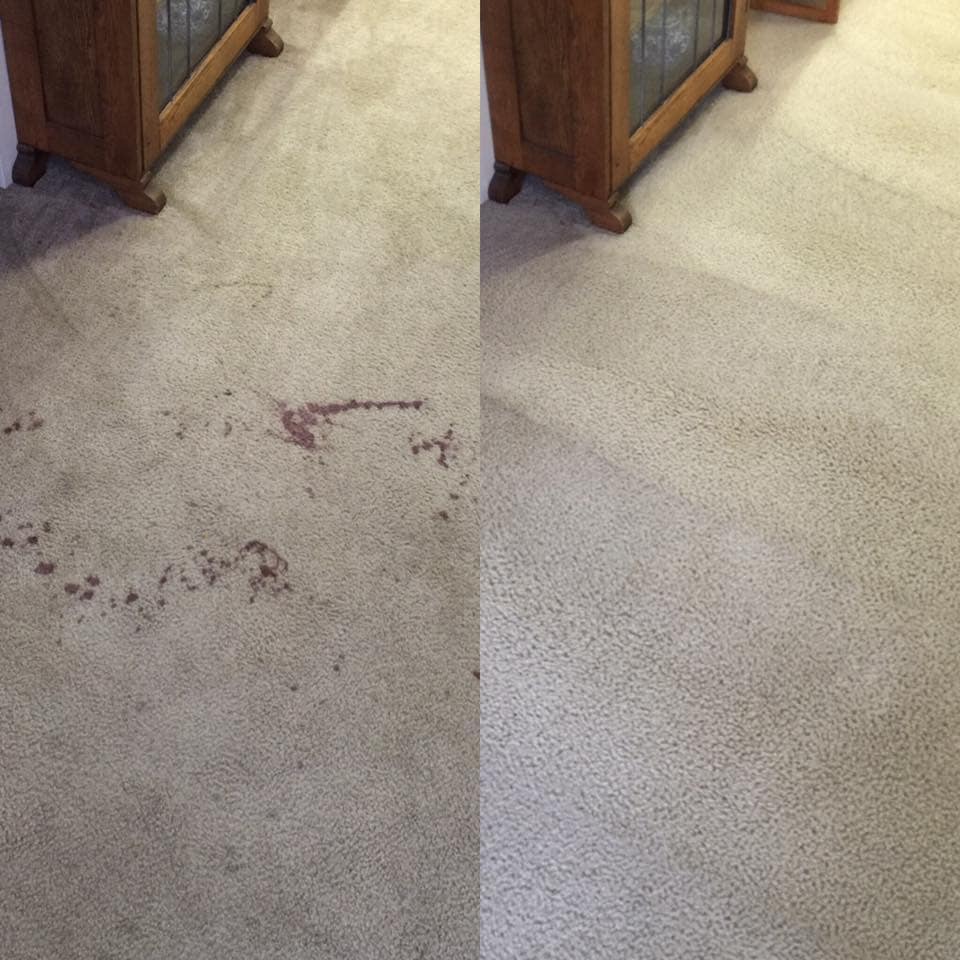
Common mistakes when applying the 20 minute rule in cleaning
One frequent mistake is rubbing instead of blotting. Rubbing can push the spill deeper into the fibres and may fray the carpet surface, particularly on softer or cut pile products. Another common issue is using too much water, which can keep the area damp for longer and encourage the stain to reappear at the surface.
People also sometimes mix products without checking whether they are compatible. That can leave residue, cause discolouration, or create unwanted chemical reactions, especially on more delicate carpets. If you are unsure how a product will behave, the safer option is to spot test it first and keep the application as light as possible.
A final mistake is assuming that all stains behave in the same way. Protein-based spills, dye-based marks, and oily contamination each respond differently, so a one-size-fits-all method rarely gives the best result. For practical examples of how things can go wrong during treatment, burnt carpet repair near me may seem like a separate topic, but it illustrates how carpet damage often needs specific handling rather than general cleaning.
What is the 20 minute rule in cleaning for everyday maintenance?
The 20 minute rule also fits into everyday household care, not just stain emergencies. Small tasks such as picking up crumbs, dealing with tracked-in soil, and lifting fresh spills early all help carpets stay cleaner over time. Gradually, that can reduce the build-up that makes deeper cleaning more demanding.
Regular vacuuming, sensible footwear choices, and prompt spot treatment all work together. In busy homes, a simple habit like checking high-use areas after meals or gatherings can stop minor spills from turning into more stubborn marks. This can be especially useful during wetter months, when moisture and soil are more likely to be tracked indoors.
For a more general view of cleaning science and indoor air quality, resources such as the IICRC standards listing and the Health NZ pest control advice show how hygiene, moisture control, and timely treatment all connect in practical home care.
Liam McKenzie writes about carpet cleaning with practical, real-world exposure to maintenance work in New Zealand homes and routine stain challenges. His perspective is shaped by observing how different cleaning methods, equipment types, and carpet materials respond to everyday use and spills. Through following stain removal attempts, fibre care efforts, and general hygiene practices, he focuses on explaining why timing and technique often matter as much as the products being used.
Conclusion
What is the 20 minute rule in cleaning? It is a practical reminder to act early, clean gently, and avoid giving spills time to settle into carpet fibres. While it will not resolve every type of stain, it significantly improves the likelihood of preventing damage and limiting lingering residue.
The key message is straightforward. Quick blotting, careful product use, and sensible drying practices usually work better than waiting or scrubbing hard. For New Zealand households, where carpets face daily wear, the 20 minute rule is a simple habit that supports cleaner, longer-lasting flooring.