






The Ultimate Guide to Ripped Carpet Repairs in Auckland: Restoration, Regulations, and Expert Techniques
A torn, fraying, or ripped carpet can quickly turn an attractive living space into a safety hazard and a visual eyesore. Whether you are dealing with pet claw marks, heavy furniture snagging, or seam separation, understanding how ripped carpet repair works can save you thousands of dollars compared to a full floor replacement.
For property managers, landlords, tenants, and homeowners across South Auckland, West Auckland, East Auckland, and North Shore Auckland, mastering the nuances of professional ripped carpet repair ensures seamless visual results while protecting property investments.
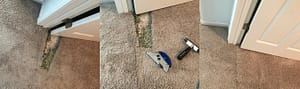
Content Gaps: 3 Non-Obvious Angles Most Articles Oversimplify
Standard carpet restoration guides often treat a tear as a superficial surface issue. In reality, durable carpet repairs require an understanding of textile mechanics, subfloor dynamics, and local tenancy law.
1. Pile Nap Alignment & Fibre Orientation
Cutting out a damaged section and glueing in a spare piece sounds straightforward, but carpets possess a directional sweep called the “nap.” If a technician installs a patch 180 degrees opposite to the surrounding pile, light reflects off the fibres differently. This creates a visible dark or light block even if the carpet roll comes from the same dye lot.
2. Underlay Degradation and Subfloor Tension
A tear in the surface carpet rarely happens in isolation. Delamination—where the secondary backing separates from the primary backing—often stems from failing underlay or inadequate power-stretching during initial installation. Repairing the surface pile without addressing underlay collapse or recalibrating carpet tension will cause the seam to split again under normal foot traffic.
3. Fair Wear and Tear vs. Intentional Damage in NZ Tenancy Law
Under New Zealand’s Residential Tenancies Act 1986, distinguishing between accidental damage and “fair wear and tear” is critical for bond settlement. According to Tenancy Services New Zealand, carpet disputes make up nearly 32% of all flooring-related tenancy bond claims. Knowing whether a seam tear requires a tenant-funded damaged carpet repair or a landlord-funded maintenance intervention protects both parties legally and financially.
Expert Nuance Matrix
| Standard Myth | Expert Reality | Best-Practice Recommendation |
| “If a carpet is ripped, you must replace the whole room.” | Over 85% of carpet tears, pet damage, and seam splits can be restored invisibly using precise donor patching and thermal seam bonding. | Perform a precision section insert (donor patch) using off-cuts or carpet harvested from hidden areas like wardrobes. |
| “Store-bought carpet glue is sufficient for DIY tear repair.” | Standard liquid adhesives alter the pile texture, cause fibre stiffness, and break down under moisture or routine vacuuming. | Apply hot-melt thermoplastic seam tape combined with latex edge-sealing per industry installation standards. |
| “Any donor patch of the same colour will blend naturally.” | UV exposure, wear patterns, and nap direction alter colour tone, and pile lie over time. | Match both dye-lot degradation and pile lay orientation prior to hot-melt bonding, then groom the perimeter thoroughly. |
Technical Frameworks & Industry Standards
Professional carpet restoration requires specialised skills and technical knowledge. Training pathways such as the Certificate III in Flooring Technology (MSF30818) cover flooring installation, carpet laying, repair techniques, workplace safety, and site assessment, providing a strong foundation for industry professionals. High-quality carpet repairs adhere to recognised industry frameworks:
-
IICRC S600 Standard for Professional Carpet Installation: Established by the Institute of Inspection, Cleaning and Restoration Certification (IICRC), this international benchmark dictates that carpet patching and seam repair must maintain structural integrity without compromising pile height or pattern geometry. The IICRC notes that timely professional repairs extend overall carpet service life by up to 50%, avoiding premature landfill waste.
-
AS/NZS 2455.1:2007 (Textile Floor Coverings – Installation Practice): The official standard for New Zealand and Australia requires specific edge-sealing compounds on raw cut edges. This process prevents unravelling and ensures power-stretching procedures do not tear existing seams.
Step-by-Step: How Professional Ripped Carpet Repair Works
Restoring a severely damaged or ripped carpet involves a systematic, precision-driven procedure:
-
Damage Assessment & Donor Harvesting: The technician inspects the pile texture, tuft direction, and backing type. If spare carpet roll off-cuts are unavailable, a small section is discreetly harvested from the back of a closet or under built-in joinery.
-
Precision Cutting: Using a carpet knife and row separator, the technician cuts around the damaged tear along the tuft rows. This step avoids severing intact surface fibres.
-
Subfloor & Underlay Inspection: The underlying pad is checked for dry rot, pet urine penetration, or breakdown. Compromised underlay is replaced immediately to maintain a level surface.
-
Edge Sealing & Thermal Bonding: The perimeter edges of both the cut opening and the donor patch are sealed with a specialised latex sealer to prevent fraying. A thermoplastic seam tape is inserted beneath the joint and activated with a controlled heat iron.
-
Pile Blending & Power Stretching: Once bonded, the repair area is rolled with a star-wheel seam roller to blend the tufts. If tension loss caused the original tear, the technician uses a power stretcher to restore proper drum-tight tension across the room.
Regional Considerations Across Auckland Suburbs
Flooring demands vary across the distinct microclimates and housing styles of Auckland:
-
North Shore Auckland: Coastal humidity in areas like Devonport and Takapuna can weaken aging carpet backings. Prompt seam repair prevents moisture-driven delamination.
-
West Auckland: Family homes around Waitakere experience heavy foot traffic and pet activity, making high-durability hot-melt patch repairs essential.
-
South Auckland: High-occupancy rental properties in Manukau and Papakura benefit immensely from cost-effective carpet stretching and repair, avoiding full carpet replacements between tenancies.
-
East Auckland: Modern home designs in Howick and Botany often feature plush, long-pile carpets where nap alignment and tuft grooming are critical for invisible seamless patches.
Frequently Asked Questions
Can you fix a ripped carpet without spare off-cuts?
Yes. Technicians can harvest a donor piece from an inconspicuous location, such as under a wardrobe floor or behind a door frame, replacing that hidden spot with a matching remnant.
How long does a professional carpet patch last?
A professionally bonded and power-stretched carpet patch lasts as long as the surrounding carpet. When performed according to IICRC standards, the bond strength exceeds the original backing strength.
Will the repaired seam be completely invisible?
On high-pile or textured carpets, a professional repair is virtually invisible. On low-pile, worn, or loop carpets, seam visibility is minimised dramatically, presenting a clean and tidy finish.
Is carpet stretching necessary during a tear repair?
Restore Your Carpets with Confidence
Don’t let a tear or snag ruin your flooring investment or compromise your rental bond. Whether you are located in South Auckland, West Auckland, East Auckland, or the North Shore Auckland, professional repair techniques can restore your carpets quickly and affordably.
Ready to repair your damaged carpet? Contact a certified Auckland repair specialist today at 0800 783-266 to request a free quote and extend the life of your home’s flooring. To help keep your carpet in excellent condition after the repair, explore our practical Carpet Care Tips for expert advice on cleaning, maintenance, and preventing future damage.
Online Steam ‘n’ Dry Carpet Repair Reviews
Last Updated: 05 August 2026 by Emma