






Carpet Laying Methods
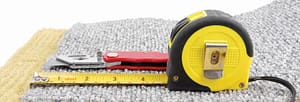
Carpet laying methods play an important role in the performance, comfort, and longevity of your flooring. Choosing the right installation method depends on several factors, including the type of carpet, the condition of the subfloor, and the level of foot traffic the area receives. Selecting the most suitable approach can help improve durability, comfort, and overall appearance.
Whether you’re installing carpet in a new home or replacing existing flooring, understanding the different carpet laying methods can help you make a more informed decision. This guide explains the most common installation techniques, their benefits, and where each method is best suited, helping you choose the right solution for your home or commercial property.
Understanding Carpet Laying Methods
Different carpet laying methods are designed to suit different environments, carpet types, and performance requirements. While some methods prioritise comfort and insulation, others provide greater stability for areas that experience heavy foot traffic or frequent use. Choosing the right installation method helps maximise the lifespan of your carpet while ensuring it performs as intended.
Professional installers assess several factors before recommending a carpet laying method, including the type of carpet, the condition of the subfloor, the purpose of the room, and the expected level of traffic. By considering these factors, they can recommend the most suitable installation technique for long-lasting results.
Stretch-In Carpet Laying
Stretch-in carpet laying is one of the most widely used installation methods for homes. During installation, installers secure the carpet to gripper rods around the edges of the room and place a quality underlay beneath it to provide additional support and cushioning. They then stretch the carpet into position to create a smooth, secure fit.
This method offers several advantages for residential properties. The underlay helps improve comfort underfoot, reduces noise, and provides additional insulation, making rooms feel warmer and quieter. It also allows installers to lift the carpet more easily if repairs or replacement become necessary in the future.
Stretch-in carpet laying is suitable for most living rooms, bedrooms, hallways, and other areas where comfort and durability are important. When installed correctly, it delivers a professional finish while helping the carpet maintain its appearance over time.
Direct Stick (Glue-Down)
Direct stick carpet laying, also known as glue-down carpet installation, involves adhering the carpet directly to the prepared subfloor using a suitable adhesive. Unlike the stretch-in method, this installation does not require underlay, creating a firm and stable surface.
Many commercial properties, offices, retail spaces, and other high-traffic areas choose this method for its durability and stability. Installers bond the carpet directly to the floor, reducing movement and improving performance in areas with rolling office chairs, trolleys, or frequent foot traffic.
However, proper subfloor preparation is essential before installation begins. A clean, level, and dry surface helps the adhesive bond effectively and contributes to a long-lasting, professional finish.
Double Stick
Double stick carpet laying combines the benefits of both stretch-in and direct stick installation methods. During this process, installers first adhere the underlay to the subfloor before securely bonding the carpet to the underlay with a suitable adhesive. This creates a stable, comfortable surface with enhanced durability.
This method offers excellent support and reduces carpet movement. As a result, many commercial buildings, hotels, healthcare facilities, and other high-traffic areas use it. The added underlay also improves comfort underfoot while helping to reduce noise.
Although double stick carpet laying typically involves a higher installation cost, it can provide long-term value in demanding environments where durability, stability, and comfort are equally important.
Choosing the Right Carpet Laying Method
Selecting the right carpet laying method depends on more than just personal preference. Several factors influence which installation technique will provide the best performance and long-term value for your property.
When recommending a carpet laying method, professional installers typically consider:
- The type of carpet – Some carpets perform better with specific installation methods.
- The condition of the subfloor – A clean, level, and stable subfloor helps ensure a successful installation.
- The purpose of the room – Residential living areas and commercial spaces often require different installation techniques.
- The level of foot traffic – Areas with frequent use may benefit from a more secure installation method.
- Comfort and insulation requirements – Underlay can improve comfort underfoot while helping to reduce noise and retain warmth.
- Future maintenance needs – Some installation methods make repairs or carpet replacement easier if damage occurs.
By carefully assessing these factors, you can choose a carpet laying method that suits your property, supports your lifestyle, and helps maximise the lifespan of your new carpet.
Frequently Asked Questions
What is the most common carpet laying method?
Stretch-in carpet laying is the most common installation method for residential properties. It uses underlay and gripper rods to secure the carpet, providing a comfortable feel underfoot while helping improve insulation and reducing noise.
Which carpet laying method is best for commercial properties?
Direct stick (glue-down) and double stick carpet laying are commonly used in commercial environments. The most suitable method depends on factors such as foot traffic, the type of carpet, and the property’s specific requirements.
Does every carpet require underlay?
No. Underlay is typically used with stretch-in carpet laying, while direct stick installations bond the carpet directly to the subfloor. The appropriate method depends on the carpet type and the intended application.
How do I choose the right carpet laying method?
Selecting the right carpet laying method depends on several factors, including the type of carpet, the condition of the subfloor, and the level of foot traffic. A professional assessment can help determine the most suitable installation method for your property.
How long does carpet laying take?
The time required depends on the size of the area, the chosen installation method, and whether installers need to remove the existing flooring. While a single room may take only a few hours, larger or more complex projects generally require additional time.
Need Professional Carpet Laying Services in Auckland?
Choosing the right carpet laying method is essential for achieving a durable, comfortable, and professional finish. It also helps improve durability and extend the lifespan of your flooring, whether you’re installing carpet in a new home or upgrading a commercial space.
Since 1987, Steam ‘n’ Dry Carpet Repairs Auckland has provided professional carpet laying and repair services throughout Auckland. We assess your carpet type, subfloor condition, and installation requirements before recommending the most appropriate laying method for your property.
Contact us today at 0800 783-266 to learn more about us and to discuss your carpet laying project or request a free quote. We’re happy to answer your questions and help you choose the right solution for your home or business. Our team also works to recognised industry standards and holds the National Certificate in Flooring (Level 4), with training through the Restoration Sciences Academy.
Updated Last: 24 July 2026 by Emma