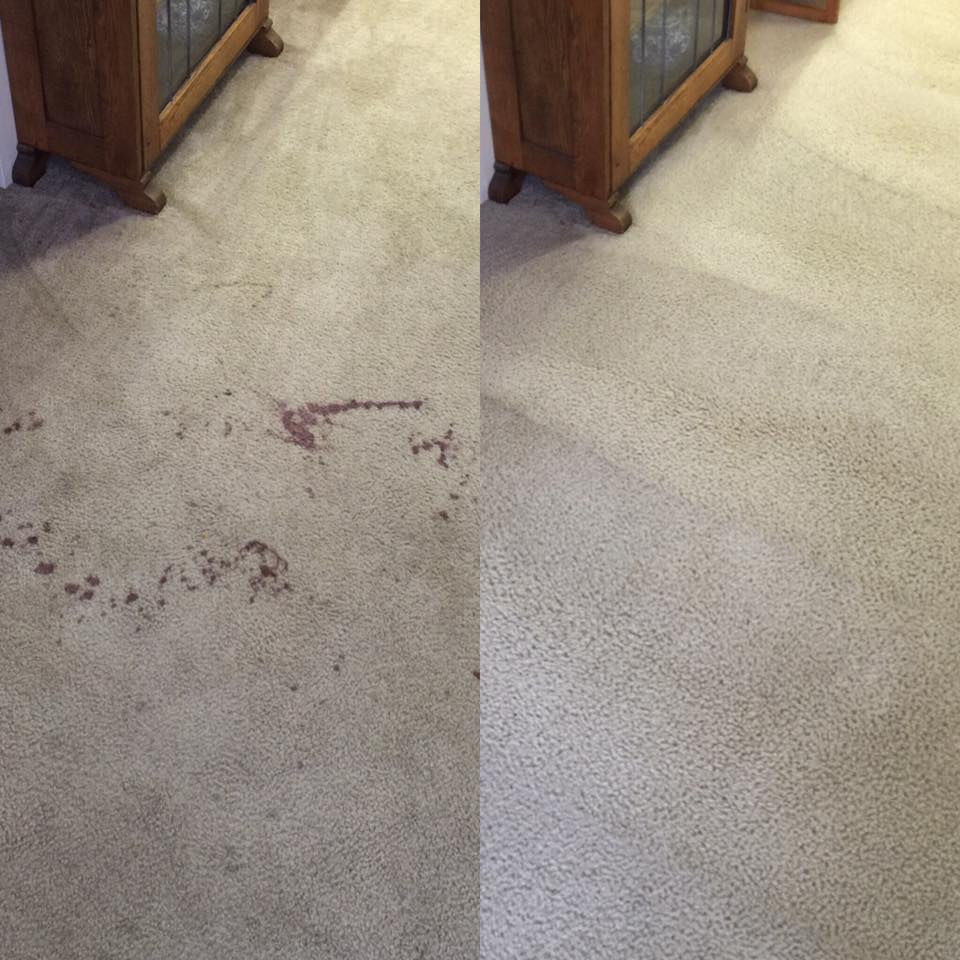




How to remove old coffee stains from carpet in New Zealand homes
Old coffee marks can be frustrating because they often seem straightforward to deal with at first, then sink deeper into the pile and become much more stubborn. If you want to remove old coffee stains from carpet, it helps to work slowly, control the amount of moisture you use, and avoid driving the stain further into the fibres. The age of the mark, the type of carpet fibre, and anything added to the coffee, such as milk or sugar, all influence the result.
In New Zealand homes, coffee spills regularly turn up on lounge and bedroom carpet, particularly on pale synthetic fibres. The positive side is that many stains can still be improved, even once they have dried, but success will depend on whether the coffee has oxidised and bonded with the carpet backing. This guide sets out what tends to work, what commonly causes problems, and when it is realistic to expect only a partial improvement.
What makes it hard to remove old coffee stains from carpet?
Fresh coffee usually sits mostly on the surface, but an older stain behaves differently. As it dries, the colouring can latch onto carpet fibres, and residue may work its way down into the pile or underlay. If there was milk in the cup, the mark may also contain protein and fat, which alters how it should be cleaned.
The way the carpet is made also plays a part. Solution-dyed synthetic fibres are generally more forgiving than wool, while loop pile can hang on to residue more easily than cut pile. Excess heat, heavy scrubbing, and over-wetting can all cause the stain to spread, so a careful, measured approach is usually more effective than a harsh one.
For general fibre care principles, the CRI cleaning standards are a useful reference point, and they fit with the idea of starting with the least aggressive method.
How to remove old coffee stains from carpet step by step
Begin by vacuuming the area to lift out loose soil that could get in the way of stain removal. Always test any cleaning solution on a discreet patch first, because even mild products can sometimes affect the dye or texture. If the stain has dried to a crust, gently ease away the surface residue with a spoon or blunt edge before you introduce moisture.
To remove old coffee stains from carpet, mix a small amount of neutral dishwashing liquid with warm water, then dab the stain with a white cloth. Work from the outside in so the mark does not gradually spread outwards. Keep the pressure light and blot rather than rub, because rubbing can distort the pile and move the colouring into surrounding fibres.
If the mark is still visible, apply a solution made from white vinegar and water, then blot again with fresh cloths. Follow up with plain water to rinse away any remaining cleaning solution. The aim is not to saturate the carpet, but to dampen it just enough to loosen the stain, then remove as much of the moisture as you can.
For households wanting broader carpet care guidance, the CRI carpet care guide provides practical information on spot treatment and day-to-day maintenance. You can also compare these principles with those discussed in our carpet stain repairs overview.
Images and what they show about carpet stain removal
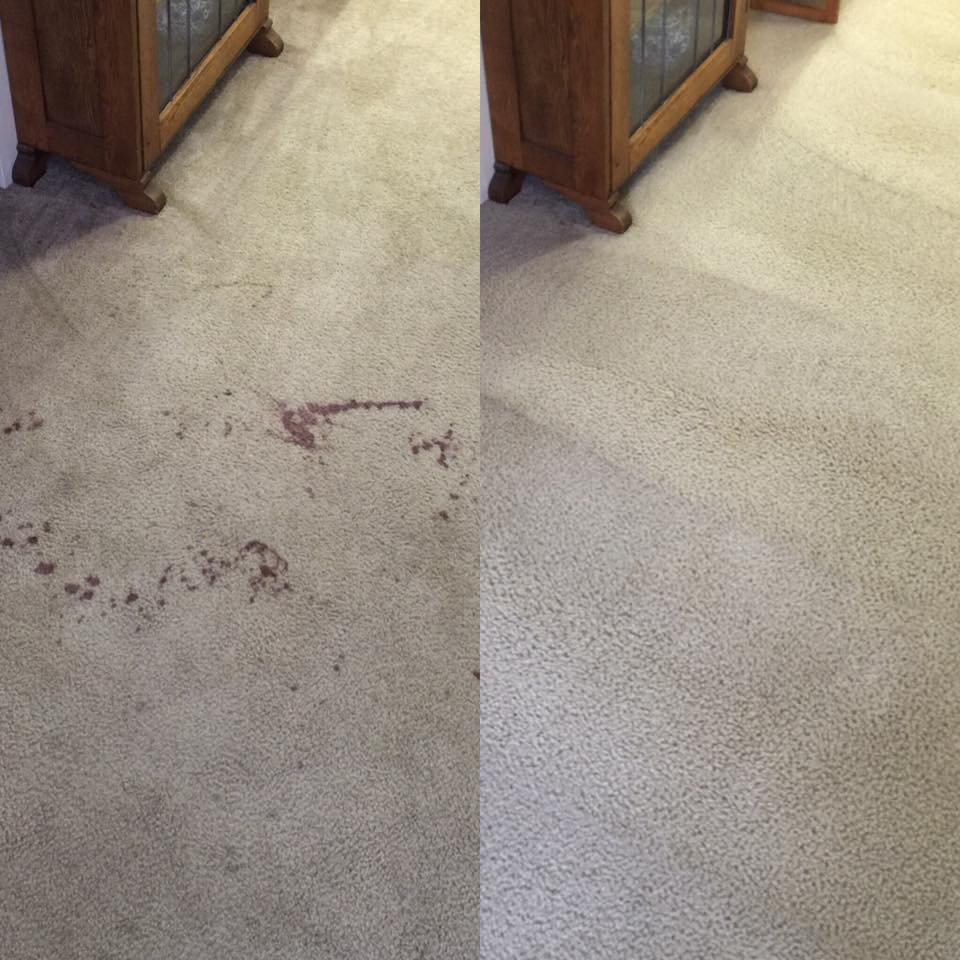
The image above shows the kind of targeted stain treatment typically used for small, localised marks. In practice, stain removal tends to be most effective when the affected area is clearly defined, blotted carefully, and then dried thoroughly once cleaning is complete.

This second image underlines how over-scrubbing and using an unsuitable product can leave the area looking worse than it did after the original spill. A measured, methodical technique is usually more important than relying on strong chemicals.
Best ways to remove old coffee stains from carpet safely
One of the safest ways to remove old coffee stains from carpet is to build the process up gradually. Start with water and a mild detergent, move to a vinegar rinse if that is not enough, and only consider specialised stain products if earlier steps do not work. This approach helps reduce the risk of damaging fibres or causing colour loss.
When you are dealing with wool, it pays to be especially cautious. Wool can react badly to alkaline cleaners and high heat, and vigorous treatment may cause felting or a permanent change in texture. If the stain is on wool carpet, it is usually better to keep solutions gentle and dry the area promptly with good airflow.
Extraction can be useful when residue has soaked below the surface, but it still needs to be controlled. Professional hot water extraction is often effective because it rinses dissolved soil back out of the pile, yet too much water or slow drying can lead to wicking, where the stain reappears as the carpet dries. For more on the methods involved in deeper cleaning, see our carpet cleaning overview and compare it with the information on carpet cleaning repairs used when damage needs attention.
When coffee stain removal becomes less predictable
There are limits to what can realistically be achieved with home treatment. If a coffee spill has been left for months, if sunlight has baked the mark into the fibres, or if the carpet has already been treated with an unsuitable cleaner, the colour change may be permanent. In those situations, you may still be able to improve how it looks, but it might not return to its original appearance.
The backing and underlay can influence this as well. If the liquid has penetrated deeply, the visible mark on the surface may be only part of the issue, because odour and wicking can continue from below. This is why careful, thorough drying is just as important as the cleaning itself.
For situations that involve wider moisture damage or contamination, the BRANZ flood restoration PDF offers useful background on drying and restoration principles, even though a coffee spill is far smaller in scale.
A practical example from a typical New Zealand home
In a typical lounge-room situation, a cup of coffee is knocked over onto a light beige synthetic carpet and not noticed until after the evening meal. By that time, the centre of the spill has dried to a dark brown patch, while a pale ring has formed around the edges. A homeowner who works by blotting gently, applying a mild detergent solution, then rinsing and drying with airflow will usually see a noticeable improvement.
If that same stain is tackled with a stiff brush, the pile can fray and the discolouration may spread outwards. In practice, the best outcomes often come from several light treatments rather than a single heavy-handed attempt. That is particularly relevant when you try to remove old coffee stains from carpet that has already absorbed some residue beneath the surface.
Auckland properties with busy households often experience this in entry areas, lounges, and bedrooms. If you want more context on local service conditions and fibre care, the allergy relief hot cleaning page gives a useful indication of how deeper cleaning can support indoor hygiene.
Common mistakes when trying to remove old coffee stains from carpet
The most frequent mistake is scrubbing. Scrubbing forces the stain deeper and can damage the pile, sometimes leaving a lighter, worn-looking patch even if much of the coffee colour lifts out. Blotting may feel slower, but it is usually the more effective method.
The next common issue is using too much product. Extra cleaner does not automatically mean better results, and residue left behind can attract dirt later, causing the area to look dull again. A further problem is failing to rinse, which can leave detergent in the fibres and create a slightly sticky feel underfoot.
Poor drying is another regular cause of trouble. If the carpet remains damp for too long, the stain can wick back to the surface or result in odour. Air movement, absorbent towels, and patience are just as important as the cleaning agent you choose.
How to keep coffee stains from coming back
After you remove old coffee stains from carpet, check the area again once it is completely dry. Occasionally a faint ring only becomes visible after drying, which indicates that a second light treatment may be required. It is safer not to assume the work is finished until the carpet looks dry and even in colour.
Routine vacuuming makes a difference too, because embedded grit can cause previously treated spots to look worn sooner. For households that regularly deal with spills, prompt spot response and scheduled professional maintenance generally provide better long-term results than rare but intensive cleaning sessions.
If indoor air quality or dust is also a concern, the IICRC S500 standard is a relevant reference for moisture management principles, and the WHO IAQ selected pollutants document gives broader context on indoor environmental quality.
Liam McKenzie on practical carpet stain work
Liam McKenzie is a carpet cleaning industry writer and practitioner with hands-on experience in New Zealand’s carpet cleaning sector. His work has involved observing stain removal processes, comparing common cleaning methods, and seeing how different fibres respond to real household spills. That practical exposure gives him a grounded view of what can be improved safely, and where limits are more likely to appear.
He has also seen how equipment choices, moisture control, and drying time affect outcomes in everyday homes. That includes understanding the difference between surface soil, deep-set staining, and hygiene concerns that can build up over time. His approach is shaped by real cleaning conditions rather than theory alone.
Conclusion: what to expect when removing old coffee stains
To remove old coffee stains from carpet, begin with gentle methods, use the least aggressive approach that still makes progress, and make sure the area is dried thoroughly. Many stains can be reduced to a much less noticeable level, but some older marks will not disappear entirely. The longer the stain has been present, the more important it is to keep expectations realistic.
If the carpet fibre is delicate, the stain covers a large area, or home treatment is no longer improving the situation, it is often safest to stop before further damage occurs. Effective stain work relies as much on restraint as it does on cleaning strength. In that sense, patience and steady technique usually achieve better results than force.