




If you need to remove old coffee stains from carpet, the main difficulty is that dried coffee usually bonds with the fibres and any residue that has been left behind. The stain might look straightforward at first glance, but older marks often include tannins, oils, milk solids, and dirt trapped in the pile, which all make it harder to lift. The positive side is that with a careful approach, many older coffee stains can be noticeably reduced without harming the carpet.
This guide outlines what tends to work, why some methods do not, and how to treat different carpet types using a measured, practical process. It also explains when a stain may be too set for home treatment alone, particularly if it has already been scrubbed or exposed to unsuitable products. For broader carpet care, many homeowners also refer to carpet cleaning guidance and fibre care advice from recognised sources such as the CRI cleaning standards.
Why old coffee stains are harder to remove
Fresh coffee is usually easier to remove because the liquid has not yet dried fully into the pile. Once it has set, the stain can oxidise and become more resistant, especially on light-coloured carpet or wool blends. In some cases, the visible brown patch is only part of the issue, as the liquid can migrate below the surface and leave a faint shadow once it has dried.
Another factor is that many coffee spills are not just coffee alone. Milk, sugar, syrups, and even dust from the floor can change the stain’s chemistry and make a simple rinse less effective. According to the Carpet & Rug Institute, carpet care tends to work best when the cleaning method is suited to both the type of stain and the fibre.
How to remove old coffee stains from carpet step by step
Before starting, test any cleaning solution in a discreet area. This is important because wool, wool blends, solution-dyed nylon, and polypropylene can each respond differently to moisture and cleaning agents. When you remove old coffee stains from carpet, a gentle method is usually safer than vigorous scrubbing.
Begin by vacuuming the area to pick up loose grit. Next, mix a small amount of mild dishwashing liquid with warm water, dampen a clean white cloth, and blot from the outer edge of the stain inwards towards the centre. Avoid pouring liquid directly on to the carpet, as too much moisture can drive the stain deeper and leave a larger mark once it dries.
If the stain is still visible, apply a diluted white vinegar solution or a carpet-safe spot cleaner, then blot again with a fresh cloth. Follow this with plain water on a clean cloth to remove any residue, because leftover soap can attract soil. Finish by pressing the area with dry towels and ensuring good airflow over the carpet so the fibres dry out evenly.
Practical steps when you remove old coffee stains from carpet
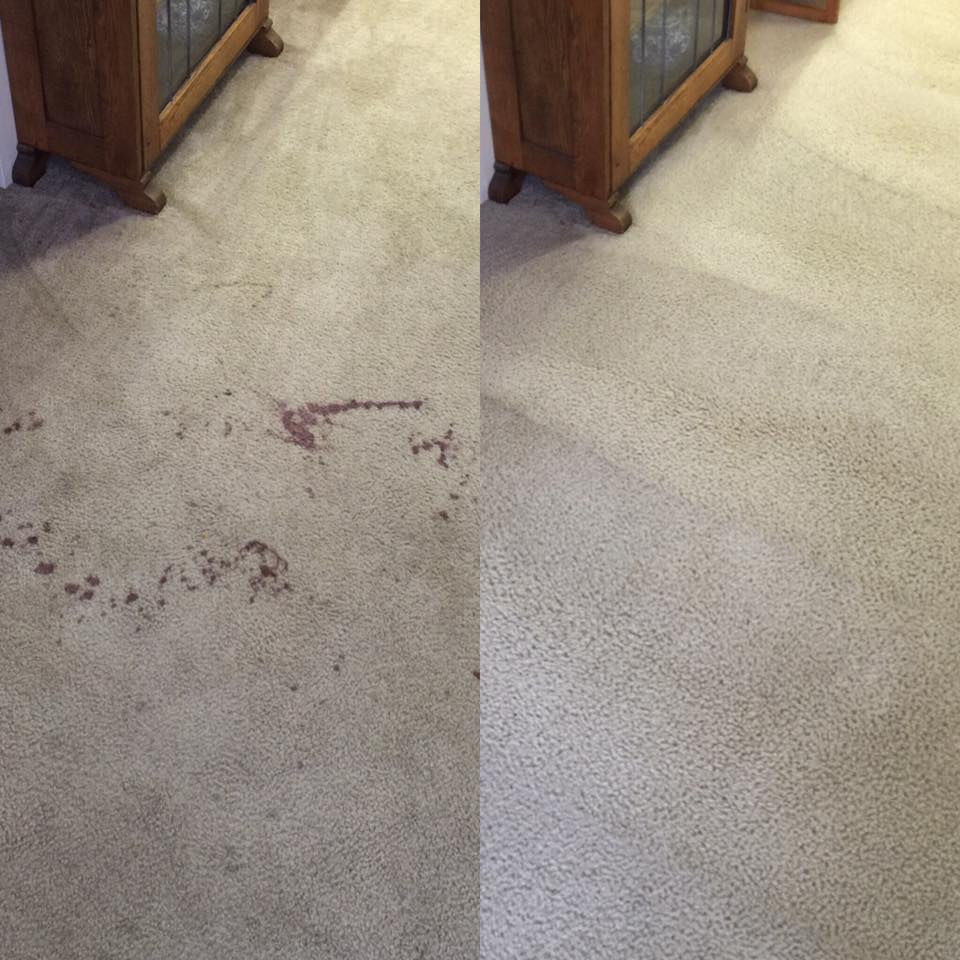
Older stains often require more patience than a recent spill. A practical approach is to repeat short blotting cycles instead of increasing pressure, because heavy soaking and rubbing can distort the pile. If the stain becomes lighter but does not disappear completely, allow the area to dry fully before trying again so you can see the true colour rather than a damp shadow.
For compacted or textured carpet, a soft-bristled brush can help lift the surface fibres after blotting. Use only very light strokes, because over-brushing can cause the pile to fuzz and make the area more noticeable. If you want to remove old coffee stains from carpet in a rental or high-traffic area, steady, consistent effort usually works better than force.
More detailed cleaning methods can be helpful when the mark has spread or been walked over. In those situations, following recognised standards such as the IICRC standards listing helps explain why controlled moisture, the right chemistry, and effective extraction matter in carpet care.
Best practices to protect the carpet while cleaning

The safest strategy is to work gradually and start with the least aggressive method. That generally means blotting, light rinsing, and careful drying before considering stronger products. Harsh scrubbing, bleach, and untested stain removers can permanently change the colour or texture, which is often more noticeable than the original coffee mark.
It is also useful to understand the fibre you are dealing with. Wool carpets can be more sensitive to pH levels, heat, and excessive moisture, whereas some synthetic carpets may cope with slightly different spot cleaning methods. When unsure, check the manufacturer’s care instructions and refer to cleaning guidance from a reliable source such as the CRI carpet care guide.
Drying is just as important as removing the stain itself. Leaving moisture in the carpet can encourage re-soiling, odours, or a pale ring around the treated patch. Good airflow, absorbent towels, and time for the fibres to dry usually provide a cleaner outcome than repeated soaking.
Example: when an old coffee spill on a lounge carpet finally lifts
In one typical household case, a coffee spill on a beige lounge carpet went unnoticed for several days after a busy morning. By the time anyone saw it, the stain had darkened and the edges had spread into the surrounding fibres. An initial attempt with water alone made little difference, but a controlled blotting routine with a mild solution, followed by rinsing and thorough drying, removed most of the visible mark.
The key factor was not a stronger product but a more careful technique. The homeowner stopped scrubbing, switched to clean cloths, and allowed the carpet to dry completely between each attempt. That kind of steady, measured approach is often what makes the difference when you remove old coffee stains from carpet.
For households with ongoing allergy concerns, hot-water extraction can also assist in reducing embedded contaminants. Services using professional equipment may support indoor air quality by removing fine dust, residue, and allergens more effectively than spot cleaning on its own, which is relevant for families managing sensitivities. Further detail on hot cleaning and indoor air quality is outlined in allergy relief hot cleaning.
Common mistakes that make coffee stains worse
Rubbing hard is one of the most common errors. Scrubbing can force the stain deeper into the pile, roughen the fibres, and create a worn patch that stands out more than the original mark. Another frequent mistake is using too much liquid, which can spread the stain or leave a watermark after the carpet dries.
People also sometimes skip the rinsing stage. If detergent remains in the carpet, it may attract dirt and cause the area to darken again over time. A further issue is using heat too early, such as a hot iron or hair dryer on the stain, because heat can permanently set some coffee residues.
If the stain has developed a sour odour, if the carpet is beginning to ripple or buckle, or if the mark returns after cleaning, the problem may extend beyond surface staining. In those situations, it can involve underlay contamination or earlier moisture damage, which is more difficult to correct with household methods alone. In New Zealand homes, sensible ventilation and good moisture control are also important for healthy indoor environments, as discussed in the Our Air 2018 report.
When professional cleaning becomes the better option
There are circumstances where home treatment is sufficient and others where it is not. If the coffee spill is old, large, repeatedly treated, or on a delicate carpet, a professional cleaner can often apply stronger extraction and controlled heat without increasing the risk of fibre damage. This is particularly helpful when the stain has mixed with other soils such as food residues, pet dander, or general household dirt.
Auckland Steam ‘n’ Dry Carpet Cleaning is one of Auckland’s larger carpet cleaning providers, with a fleet of service vans working across the region and over three decades of experience since 1987. The team uses proprietary truck-mounted equipment that runs at higher 84 °C steam temperatures, stronger pressure, minimal water use, and high suction power to help lift deep-set dirt, stubborn stains, and common indoor contaminants. Its cleaning process is associated with fast-drying results due to powerful 27Hg vacuum extraction and a reported 99.9% reduction of germs, bacteria, dust mites, and pathogens, supported by ASD-certified and IICRC-trained cleaners with extensive fibre care and stain treatment knowledge.
In practice, this type of service can be useful where stains, wear, and indoor health considerations overlap. By extracting moisture and residue more thoroughly, it can support better indoor air quality, reduce allergen levels, and help create a cleaner environment for families, particularly in homes where carpets act as a major dust reservoir. For Auckland-specific service context, see Auckland central carpet cleaning and the company’s about us page.
Frequently asked questions
Will vinegar remove old coffee stains from carpet? It can assist with some stains, especially after using a mild detergent solution, but it is not a guaranteed fix. Always test first, particularly on wool or coloured carpet.
Can baking soda remove coffee stains? Baking soda may help with odour or light surface residue, but on its own it usually does not completely remove an established stain. It tends to work best as one part of a wider cleaning process.
Why does the stain come back after drying? This is often known as wick-back, where residue from deeper in the carpet wicks up to the surface as moisture evaporates. More thorough rinsing and better extraction generally reduce this risk.